
Rapid Deployment: Comparing Inflatable vs. Metal Frame Shelter Set-Up Times
In the field, time is our most valuable non-renewable resource. Whether establishing a mobile tactical operations center or a forward operating base, the speed at which we achieve full operational capability (FOC) often dictates mission success. The debate between inflatable and metal frame shelters is not just about material preferences; it is a calculation of deployment velocity versus semi-permanent rigidity. We analyze the setup times of both systems to help commanders and logistics officers determine the right asset for the objective.
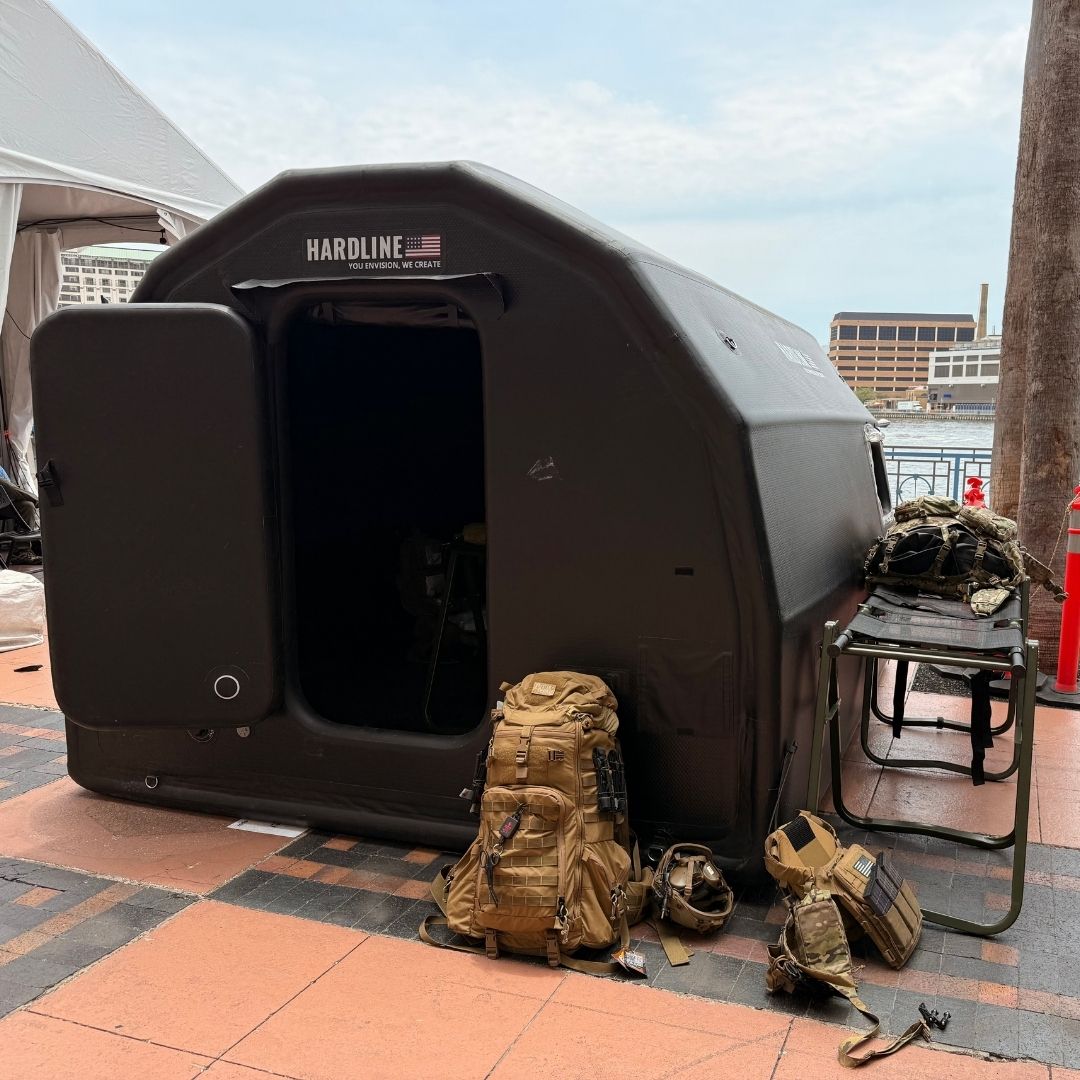
The Velocity of Air: Inflatable Shelter Setup
Inflatable shelters are engineered for immediate impact. By utilizing high-pressure air beams, these systems can typically be erected by a minimal crew in under 15 minutes. This “plug-and-play” capability allows rapid deployment teams to establish a weather-tight environment almost instantly upon arrival, drastically reducing the gap between boots on the ground and operational readiness.
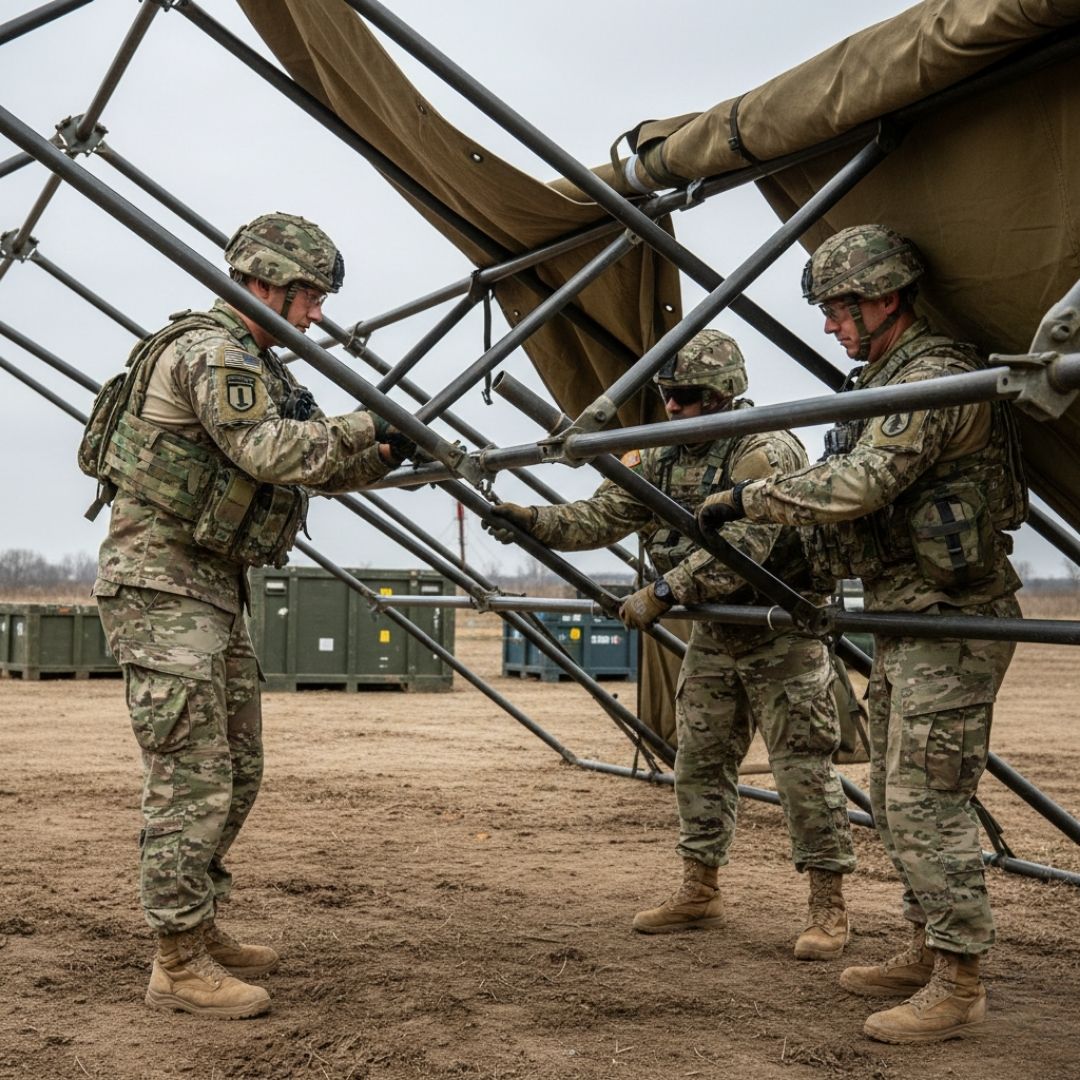
The Stability Trade-Off: Metal Frame Assembly
Metal frame shelters offer undeniable structural rigidity, but this comes at the cost of time. Assembling a standard aluminum or steel frame system is a labor-intensive process, often requiring 45 to 90 minutes and a larger team to connect poles, secure joints, and tension the outer skin. While robust, the assembly phase significantly delays initial entry.
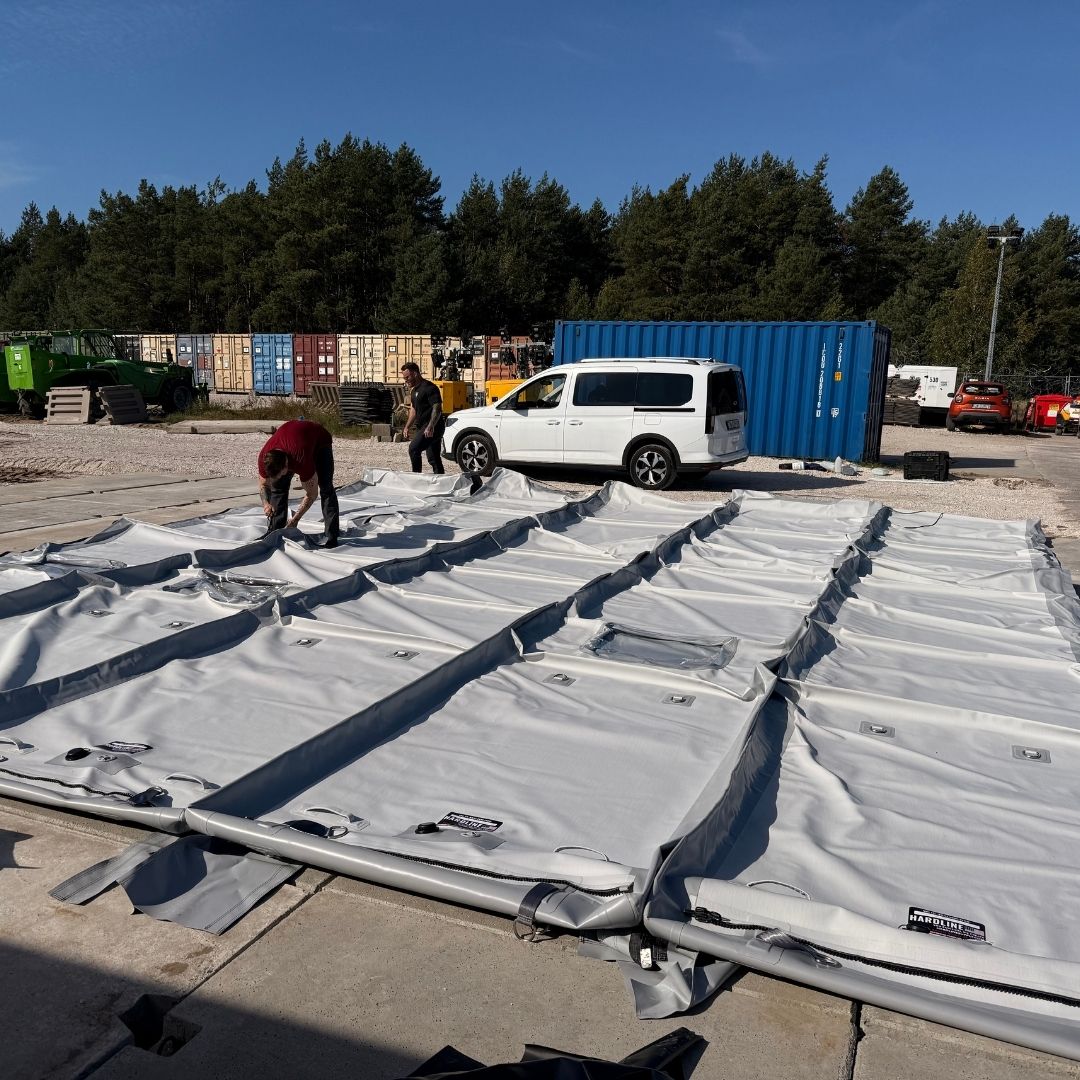
Manpower Efficiency and Force Multiplication
Manpower efficiency is where the disparity becomes most critical. An inflatable rapid deployment tent often requires only two to four personnel to deploy, acting as a force multiplier by freeing up soldiers for other critical tasks. Conversely, metal frame structures often demand a dedicated squad-sized element for assembly, diverting valuable human resources away from security or communications duties.
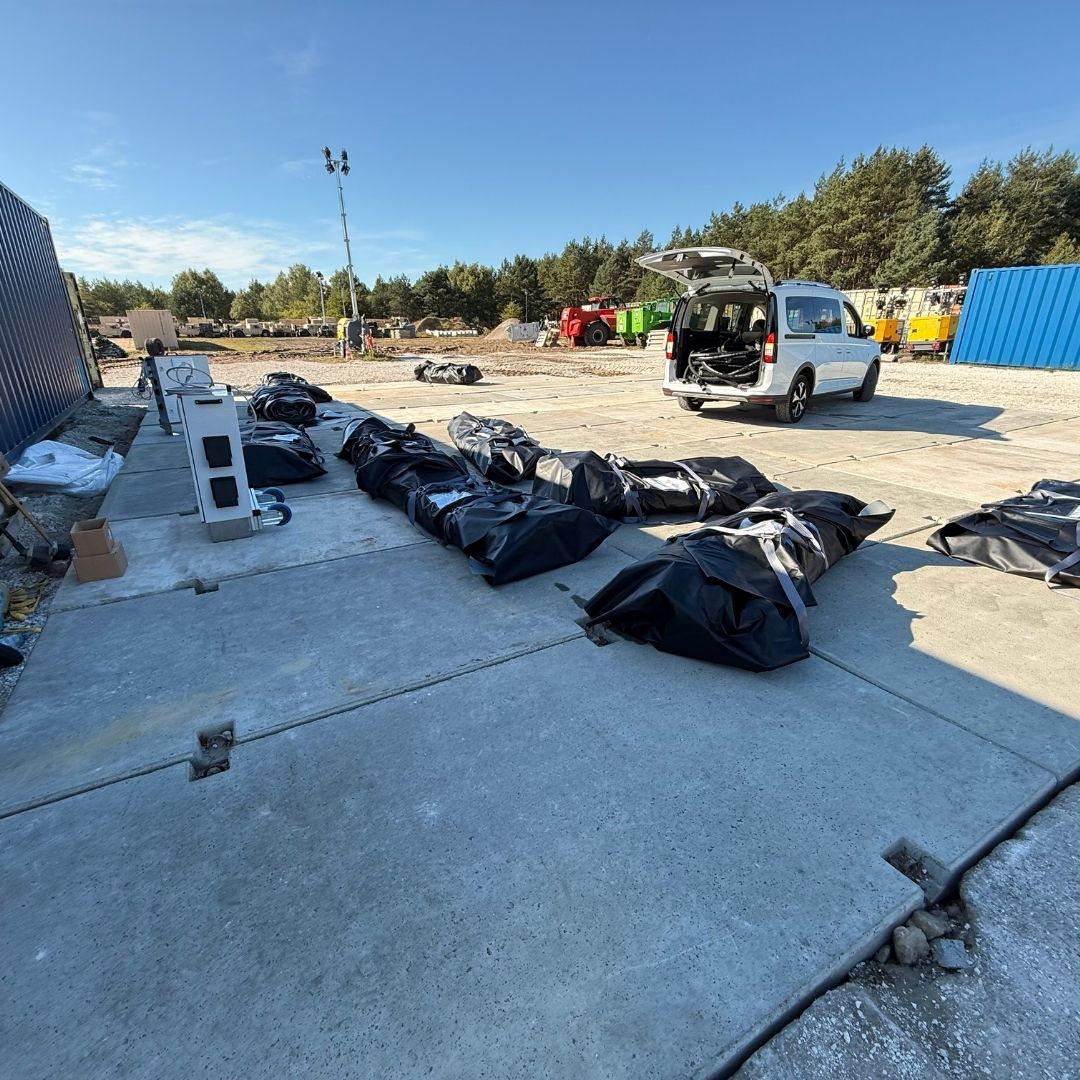
Logistics and Transport: Speed Before the Setup
Setup time actually begins before the shelter touches the ground. Inflatable systems are lighter and pack into smaller cubes, allowing for faster offloading and easier man-portability in austere environments. Metal frame components are heavier and more cumbersome to transport, which can slow down the initial logistics chain and delay the moment assembly can even begin.
At Hardline Global, we understand that versatile missions require versatile solutions. Our tactical operations centers are designed to balance these critical factors, ensuring your team is protected and operational without unnecessary delay. Contact us today to discuss which rapid deployment shelter system aligns with your specific operational requirements.